


Myths and Misconceptions About Concussions
Concussion myths can delay recovery and cause lasting harm. Learn the truth behind 10 common misconceptions about brain injuries, backed by peer-reviewed research and current medical consensus. From the outdated "stay awake" advice to the reality of repeated concussions, discover evidence-based facts that could change how you approach brain health.
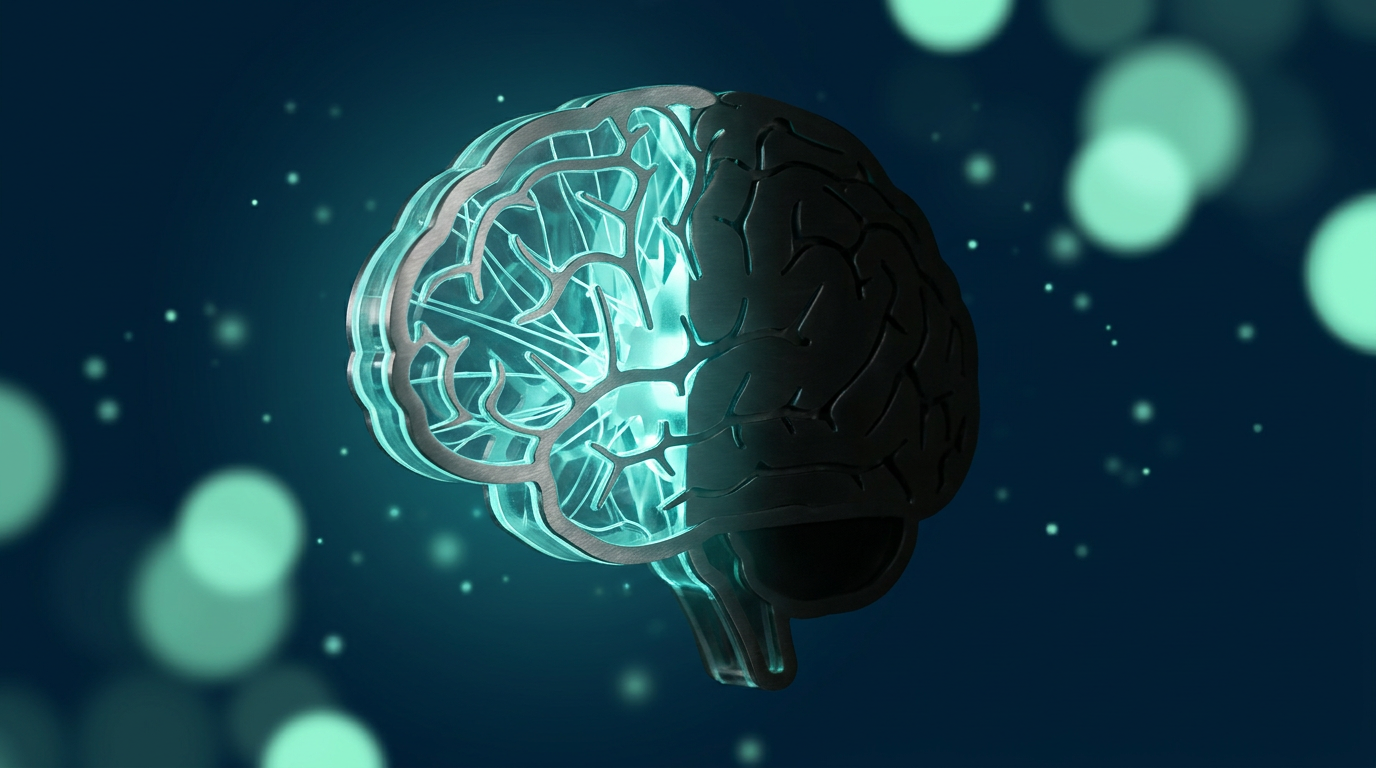
Concussions are among the most misunderstood injuries in sports medicine and public health. Myths and misconceptions about concussions persist in schools, athletic programs, emergency rooms, and households—often leading to delayed treatment, improper recovery protocols, and unnecessary complications. This article examines nine common concussion myths and reveals what current scientific evidence tells us about proper concussion management and recovery.
Understanding the Scope of Concussion Injury
A concussion is a type of traumatic brain injury (TBI) caused by a bump, blow, or jolt to the head that changes how the brain normally works.[1] Concussions can also occur from falls or hits to the body that cause the head and brain to move rapidly back and forth. The injury triggers a complex cascade of neurochemical and neurometabolic changes in the brain that can take weeks or months to fully resolve.[2]
With an estimated 1.6 to 3.8 million sport-related concussions occurring annually in the United States alone,[3] understanding the facts about concussions is essential for athletes, parents, coaches, and medical professionals. Let's examine the most persistent myths.
Myth #1: You Have to Lose Consciousness to Have a Concussion
The Myth: A concussion only "counts" if you get knocked unconscious.
The Truth: Loss of consciousness is actually rare in concussions. Research shows that fewer than 10% of concussions involve loss of consciousness.[4] In fact, many athletes who suffer significant concussions remain fully conscious and may not even realize they've been injured.
The majority of concussions present with what researchers call "post-concussion syndrome"—a constellation of symptoms including headache, dizziness, sensitivity to light and sound, difficulty concentrating, and balance problems.[5] These symptoms can range from mild to severe and may develop immediately or over the course of several hours.
Why This Matters: If someone assumes a concussion must involve unconsciousness, they may fail to seek medical attention for a significant brain injury. This can delay proper diagnosis and evidence-based treatment.
Myth #2: If the CT Scan Is Normal, You're Fine
The Myth: A normal CT scan means there's no brain injury.
The Truth: CT scans are excellent at detecting bleeding, skull fractures, and other structural damage, but they cannot reliably visualize the microscopic brain injuries characteristic of concussion. The primary pathophysiology of concussion involves diffuse axonal injury (DAI)—damage to the connections between brain cells—which is not visible on standard CT imaging.[6]
A patient can have a completely normal CT scan and still suffer from a significant concussion with real neurological consequences. Advanced neuroimaging techniques such as diffusion tensor imaging (DTI) and functional MRI (fMRI) can sometimes reveal these injuries, but they are not routinely used in clinical concussion assessment.[7]
Why This Matters: Relying on a normal CT scan as the sole measure of concussion severity can lead to underestimation of injury and inadequate recovery protocols.
Myth #3: Just Rest in a Dark Room Until You Feel Better
The Myth: Complete physical and cognitive rest is the best concussion treatment.
The Truth: While initial rest in the acute phase (24-48 hours) is appropriate, prolonged complete rest has fallen out of favor in modern concussion management. Current evidence-based guidelines recommend a graduated, progressive approach to physical and cognitive activity that begins with relative rest and gradually increases as symptoms improve.[8]
Research indicates that some degree of controlled activity may actually support recovery. Prolonged inactivity can lead to deconditioning, mood disturbances, and paradoxically, delayed recovery. Progressive, symptom-limited aerobic exercise has been shown to accelerate recovery in some populations.[9] Additionally, cognitive rest during the acute phase is different from indefinite cognitive restriction—students can often resume some academic activities relatively quickly while managing their symptoms.
Why This Matters: Over-restriction of activity can delay healing and contribute to psychological symptoms like anxiety and depression, which can complicate recovery.
Myth #4: Concussions Only Happen in Contact Sports
The Myth: Concussions are primarily an issue in football, hockey, and rugby.
The Truth: While contact and collision sports do have higher concussion rates, concussions can occur in any sport or activity, and even in non-sports settings. Falls represent the leading cause of concussion hospitalizations across all age groups, particularly in young children and older adults.[10] Motor vehicle accidents, assaults, and other accidental blows to the head also cause significant numbers of concussions annually.
Among sports, concussions occur in soccer, basketball, baseball, lacrosse, and numerous other non-contact activities where collisions with other players, equipment, or environmental features can occur. Even recreational activities like cycling, skateboarding, and trampoline use carry concussion risk.
Why This Matters: Assuming concussions are limited to contact sports can lead to underreporting and undertreatment in other populations, particularly in youth recreational activities.
Myth #5: Kids Bounce Back Faster From Concussions
The Myth: Children's brains are more resilient and recover more quickly from concussions.
The Truth: The developing adolescent brain may actually be more vulnerable to concussion injury, not less. The prefrontal cortex—responsible for executive function, impulse control, and decision-making—is not fully developed until the mid-20s.[11] This ongoing development makes adolescents' brains potentially more susceptible to both acute concussion effects and long-term consequences.
Research suggests that young athletes take longer to recover from concussions compared to adults, with some studies showing recovery timelines of 3-4 weeks or longer in pediatric populations compared to 7-10 days in adults.[12] Additionally, a prior concussion significantly increases the risk of subsequent concussions, and repeated concussions in developing brains may have cumulative effects on cognitive function.
Why This Matters: This myth can lead to premature return-to-play decisions in youth athletes, potentially exposing still-vulnerable brains to risk of additional injury.
Myth #6: You Should Stay Awake After a Concussion
The Myth: Sleeping after a head injury will cause brain damage or allow you to slip into a coma.
The Truth: This longstanding myth has no scientific basis. Sleep is actually beneficial for concussion recovery. During sleep, the brain undergoes active repair and recovery processes. Adequate sleep supports the resolution of neurochemical imbalances, facilitates the clearance of damaged cellular components, and supports memory consolidation and cognitive recovery.[13]
The concern about sleeping after a concussion likely originated from older medical thinking about managing patients with severe head trauma requiring close observation. However, in typical concussion cases, sleep restriction is counterproductive and may actually slow recovery. Clinicians now recognize that monitoring for worsening symptoms is important, but it does not require sleep deprivation.
Why This Matters: Sleep deprivation can actually worsen concussion symptoms, impair cognitive recovery, and increase the risk of future concussions.
Myth #7: Helmets Prevent Concussions
The Myth: Wearing a helmet will prevent you from getting a concussion.
The Truth: Helmets are critically important protective equipment, but their role is specifically to reduce the risk of skull fractures, intracranial bleeding, and other structural injuries. They do not prevent the movement of the brain inside the skull that causes the neurochemical cascade of concussion.[14]
A concussion occurs when the brain moves rapidly inside the skull, and no current helmet design can completely eliminate this mechanism of injury. Helmets significantly reduce severe outcomes, but they cannot eliminate the risk of milder traumatic brain injury. This is why concussion prevention strategies must include rules enforcement, proper technique training, and environmental modifications—not just helmet use.
Why This Matters: Understanding helmet limitations helps set appropriate expectations and encourages multi-faceted injury prevention approaches beyond equipment alone.
Myth #8: If Symptoms Go Away, You're Fully Recovered
The Myth: Once concussion symptoms resolve, the brain has completely healed.
The Truth: Symptom resolution does not necessarily equal complete neurobiological recovery. Some individuals may show return of normal symptom profiles while still exhibiting objective deficits on neurocognitive testing, balance assessments, or neuroimaging studies. These subclinical effects may persist and potentially increase vulnerability to future injury.[15]
Furthermore, premature return-to-activity before complete biological healing increases concussion risk substantially. Research suggests that neurochemical recovery may take several weeks, even when subjective symptoms have resolved. This is why current return-to-play guidelines recommend a gradual, stepwise progression of activity rather than immediate return once symptoms improve.
Why This Matters: Relying solely on symptom resolution for return-to-play decisions may lead to exposure of still-vulnerable brains and increased risk of second-impact syndrome or additional injury.
Myth #9: There's Nothing You Can Do But Wait
The Myth: Concussion recovery is purely passive; there are no interventions that can support healing.
The Truth: While time is certainly part of concussion recovery, a growing body of evidence supports various interventions that may support the recovery process. Nutrition, sleep quality, stress management, gradual return to physical activity, cognitive rehabilitation, and specific therapeutic approaches have all been studied as potential adjuncts to standard concussion care.
Key evidence-based strategies for supporting recovery include:
- Nutrition: Proper intake of protein, omega-3 fatty acids, antioxidants, and specific micronutrients may support neuroinflammatory response and axonal repair.[16] A comprehensive nutritional approach addresses the metabolic demands of brain healing.
- Sleep Optimization: Consistent sleep schedules and sleep hygiene practices support natural recovery processes.
- Graduated Physical Activity: Progressive, symptom-limited aerobic exercise may accelerate recovery in some populations.
- Cognitive Rehabilitation: Structured cognitive training and environmental modifications can support return to academic or work activities.
- Multi-Pathway Support: Comprehensive approaches addressing multiple biological systems affected by concussion—including neuroprotection, neuroinflammatory modulation, and metabolic support—represent an emerging evidence-based recovery framework.
Why This Matters: Understanding that recovery can be actively supported through evidence-based lifestyle and nutritional interventions empowers patients and families to take meaningful action in the recovery process.
The Evolving Understanding of Concussion Recovery
The scientific understanding of concussion has evolved dramatically over the past two decades. What was once viewed as a simple "ding" or minor injury is now recognized as a complex neurobiological event requiring careful management and appropriate recovery protocols.
Modern research reveals that concussion involves significant neurochemical changes, neuroinflammation, and metabolic disruption that unfold over hours and weeks. The immediate cellular and molecular response to concussive injury affects neurotransmitter levels, neuroinflammatory cascades, and mitochondrial function—all of which must be addressed for optimal recovery.
For athletes and active individuals, understanding these mechanisms is particularly important. As discussed in our article protecting athletes from long-term brain damage, a comprehensive approach to recovery includes proper medical evaluation, symptom monitoring, graduated return-to-activity protocols, and supportive lifestyle and nutritional strategies.
Evidence-Based Recovery: Beyond Rest
Current best practices in concussion management involve a multifaceted approach:
- Acute Phase (0-48 hours): Brief relative rest with gradual introduction of light activity as tolerated.
- Subacute Phase (2-14 days): Progressive return to physical and cognitive activities, monitored for symptom exacerbation.
- Recovery Phase (2+ weeks): Continued gradual progression with structured rehabilitation as needed, supported by lifestyle optimization.
Throughout recovery, supporting the brain's nutritional needs and biological healing processes is essential. ConcussionCare+ provides comprehensive multi-pathway support specifically designed to support the five key biological pathways affected by concussion: neuroprotection, neuroinflammatory balance, metabolic recovery, neuroplasticity, and cognitive function. Our evidence-informed formulation addresses the metabolic and micronutrient demands of the concussed brain during recovery.
When to Seek Professional Help
If you or someone in your care experiences a suspected concussion, seek immediate medical evaluation. Seek emergency care if there are signs of severe brain injury, including:
- Loss of consciousness lasting more than a few seconds
- Severe headache or progressively worsening headache
- Seizures or convulsions
- Fluid drainage from ears or nose
- Inability to recognize people or places
- Unusual behavior or confusion
- Vomiting or nausea that persists
For less severe presentations, medical evaluation is still recommended to confirm diagnosis and establish an appropriate recovery plan. A healthcare provider can assess symptoms, perform neurocognitive testing if appropriate, and provide guidance on return-to-activity progression.
Conclusion: Separating Myth From Fact
Concussions are serious injuries that deserve serious attention. By understanding and dispelling common myths, we can ensure that individuals who suffer concussions receive appropriate medical care and evidence-based support for recovery. The good news is that recovery from most concussions is possible with proper management, adequate time, and supportive interventions that address the nutritional and metabolic demands of the healing brain.
If you're recovering from a concussion, work with healthcare providers you trust, prioritize sleep and nutrition, follow graduated return-to-activity guidelines, and consider comprehensive multi-pathway support to optimize your recovery. Your brain health is worth the investment.
References
- Centers for Disease Control and Prevention. (2019). "Traumatic Brain Injury." Retrieved from CDC website.
- Giza, C. C., & Hovda, D. A. (2014). "The pathophysiology of traumatic brain injury." Journal of Athletic Training, 49(4), 488-501.
- Langlois, J. A., Rutland-Brown, W., & Wald, M. M. (2006). "The epidemiology and impact of traumatic brain injury: a brief overview." Journal of Head Trauma Rehabilitation, 21(5), 375-378.
- Ruff, R. M. (2011). "Mild traumatic brain injury and neural recovery: rethinking the debate." NeuroRehabilitation, 28(3), 167-180.
- Iverson, G. L., Langlois, J. A., & McCrea, M. A. (2009). "Challenges and future directions for the neuropsychology of sports-related concussion." Journal of Head Trauma Rehabilitation, 24(4), 220-229.
- Blennow, K., Hardy, J., & Zetterberg, H. (2012). "The neuropathology and neurobiology of traumatic brain injury." Neuron, 76(5), 886-899.
- Shenton, M. E., Hamoda, H. M., Schneiderman, J. S., et al. (2012). "A review of magnetic resonance imaging and diffusion tensor imaging findings in mild traumatic brain injury." Brain Imaging and Behavior, 6(2), 137-192.
- McCrory, P., Meeuwisse, W., Dvorák, J., et al. (2017). "Consensus statement on concussion in sport—the 5th international conference on concussion in sport." Journal of Athletic Training, 52(11), 955-975.
- Leddy, J. J., Haider, M. N., Ellis, M. J., & Willer, B. S. (2018). "Early subthreshold aerobic exercise for sport-related concussion: a randomized clinical trial." JAMA Pediatrics, 173(4), 319-325.
- Thurman, D. J. (2001). "The epidemiology of traumatic brain injury in children and adolescents: a literature review." Journal of Head Trauma Rehabilitation, 16(6), 523-531.
- Steinberg, L. (2008). "A social neuroscience perspective on adolescent risk-taking." Developmental Review, 28(1), 78-106.
- Field, M., Collins, M. W., Lovell, M. R., & Maroon, J. C. (2003). "Does age play a role in recovery from sports-related concussion? A comparison of high school and collegiate athletes." Journal of Athletic Training, 38(4), 657-662.
- Makdissi, M., Darby, D., Maruff, P., Ugoni, A., Brukner, P., & McCrory, P. R. (2010). "Natural history of concussion in sport." Brain Injury, 24(2), 183-190.
- Chrisman, S. P. D., & Schiff, M. A. (2014). "Effectiveness of prescriptive helmet use for injury prevention." Injury Epidemiology, 1(1), 9.
- Iverson, G. L., Echemendia, R. J., LaMarre, A. K., Kutcher, J. S., & Rettmann, N. A. (2012). "Possible lingering effects of multiple past concussions." Rehabilitation Research and Practice, 2012, 316575.
- Akhtar, U. Z., & D'Anci, K. E. (2018). "Nutritional approaches to traumatic brain injury." Nutritional Neuroscience, 21(5), 330-343.
FDA Disclaimer
These statements have not been evaluated by the Food and Drug Administration. This product is not intended to diagnose, treat, cure, or prevent any disease. ConcussionCare+ is designed to provide nutritional support for cognitive function and overall brain wellness. This information is for educational purposes only and should not be construed as medical advice. Always consult with a qualified healthcare provider before beginning any new supplement regimen, particularly if you are taking medications, pregnant, nursing, or have a diagnosed medical condition. Individual results may vary. This product does not replace proper medical evaluation, diagnosis, or evidence-based clinical care for concussion management.
Support your recovery with the science.
ConcussionCare+ pairs a clinician-formulated, multi-pathway formula with a free clinical-style recovery app.
Explore the formula →